What to check before booking private city tours in Barcelona
Private city tours Barcelona can look very similar at first glance: a few landmarks, a friendly description, and a flexible start time. The details matter more than the headline. Before committing, look at how the route is built, what is included, and how the day will feel once you are moving through the city. Barcelona rewards a little planning, especially when narrow streets, timed entries, and busy public squares affect the pace.
Start with the shape of the day. A private tour should fit the people taking it, not push everyone through a fixed script at a rushed tempo. Check whether the route can be adjusted for age, mobility, interests, weather, and the number of hours available. If the description mentions customised itineraries, look for clear examples of what can change. A route that includes the Gothic Quarter and La Sagrada Familia may work well for a first visit, but the same route can feel crowded or tiring if it is packed into too little time.
Route, pace, and time
Read the route as a sequence, not a list of names. Ask where the tour starts, where it ends, and how much walking sits between the main stops. Guided walking routes in Barcelona can be rewarding, but uneven paving, steps, and busy pavements can slow the group down. If the day includes Park Güell, note that the setting involves slopes and longer stretches between viewpoints. That does not make it a poor choice, but it does affect who will enjoy it and what shoes to wear.
Time estimates deserve close attention. A tour that lists several major sights in a short window may rely on quick photo stops rather than proper visits. That can be fine if the aim is an overview. It is less suitable if the aim is to understand the architecture, history, or neighbourhoods. Look for a realistic balance between travel time, entry time, and time to stand and take things in. When a plan looks tight, it often becomes the kind of day where the group is always watching the clock.
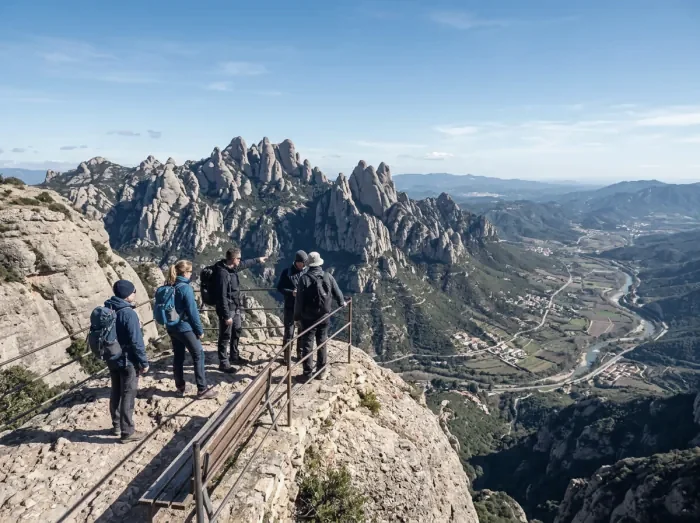
Transfer details are another point to clarify. Some private city tours Barcelona plans are mainly on foot, while others include vehicle transfers between distant stops. A private chauffeur can reduce fatigue and help with accessibility, though it can also change the character of the tour. City traffic may still affect timing, and drop-off points are not always right beside an entrance. Check what happens between stops, not only what happens at them.
Entry rules and access
Skip-the-line access is a useful phrase, but it needs context. It does not always mean walking straight into every building at any moment. Check which sites are actually included, whether entry times are prearranged, and what the group should do on arrival. For a place such as La Sagrada Familia, timed admission and security screening can shape the whole morning. If the tour only passes by the exterior, the description should make that clear.
Also check what is not included. Meals, tickets, transport, and interior visits are common sources of confusion. A tour can still be good value without them, as long as the boundaries are clear before booking. The practical question is simple: after the tour ends, what would still need to be arranged? If the answer is surprising, the plan may not match the day you had in mind.
When comparing options, the name privatetourinbarcelona.com may appear alongside other travel pages, but the decision should still rest on the details of the itinerary. Look at the start point, the length, the route, and the way the day handles breaks. Those details tell you more than a broad promise of a memorable experience.
Guide style and group fit
Local guide expertise is not just about knowing dates and names. It shows up in the way a guide reads the group, chooses a sensible pace, and explains why a place matters. Before booking, consider the style of commentary. Some tours lean toward history and architecture. Others focus on food, photography, shopping streets, or family-friendly stories. The best fit depends on who is coming and how much detail they want.
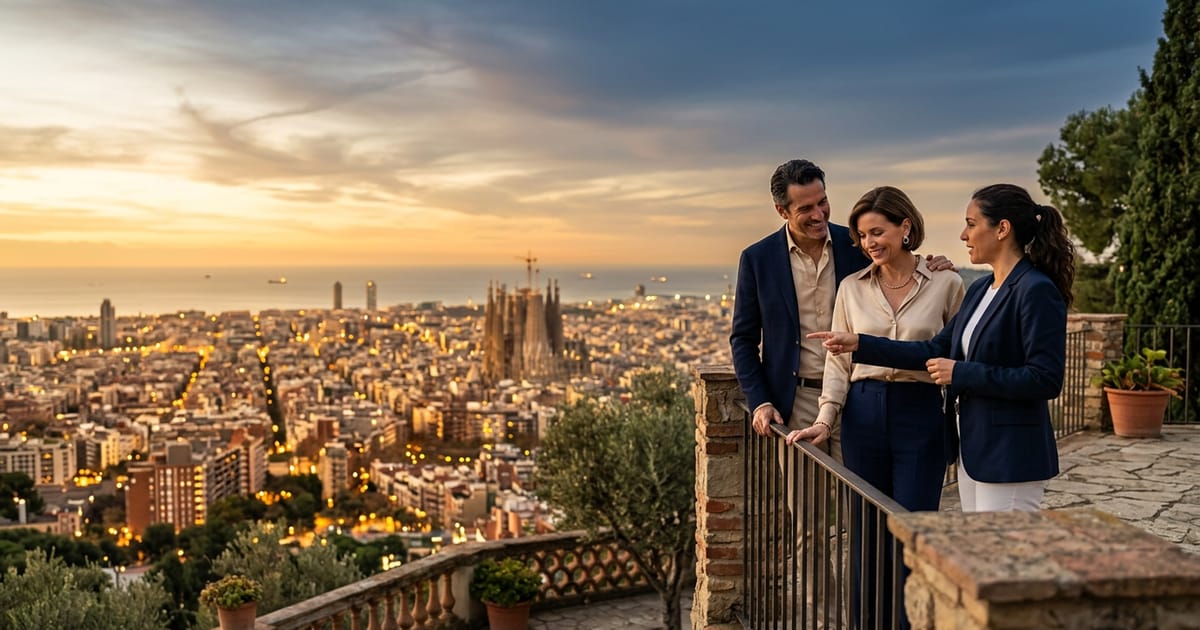
Private does not automatically mean quiet or calm. A private group still shares space with the public in popular areas. Check whether the tour is designed for children, older travellers, people with limited mobility, or anyone who needs frequent stops. If there are specific needs, raise them before the day rather than hoping they can be solved on the spot. A route can often be adjusted, but only if there is time to think it through.
Language is worth checking too. A tour conducted in a language that everyone understands makes a real difference, especially when the guide explains layered topics such as Catalan identity, modernisme, or the evolution of the Gothic Quarter. If the group has mixed language needs, ask how that is handled before assuming it will be easy.
Practical details before payment
Before paying, read the booking terms with the same care you would give to travel insurance or a hotel reservation. Check the cancellation rules, the meeting point, the latest arrival guidance, and what happens if plans change. Clear terms do not remove every risk, but they prevent avoidable disputes. It is also sensible to check how confirmation is delivered and what information is sent before the tour date.
Weather can change how Barcelona feels on the ground. A route that works on a mild morning may be uncomfortable during heavy heat or rain. Ask whether indoor stops can be added or swapped, and whether the plan has shelter close by. This is especially relevant for long walking sections and open viewpoints. Flexibility is more useful than a perfect-looking route that cannot adapt.
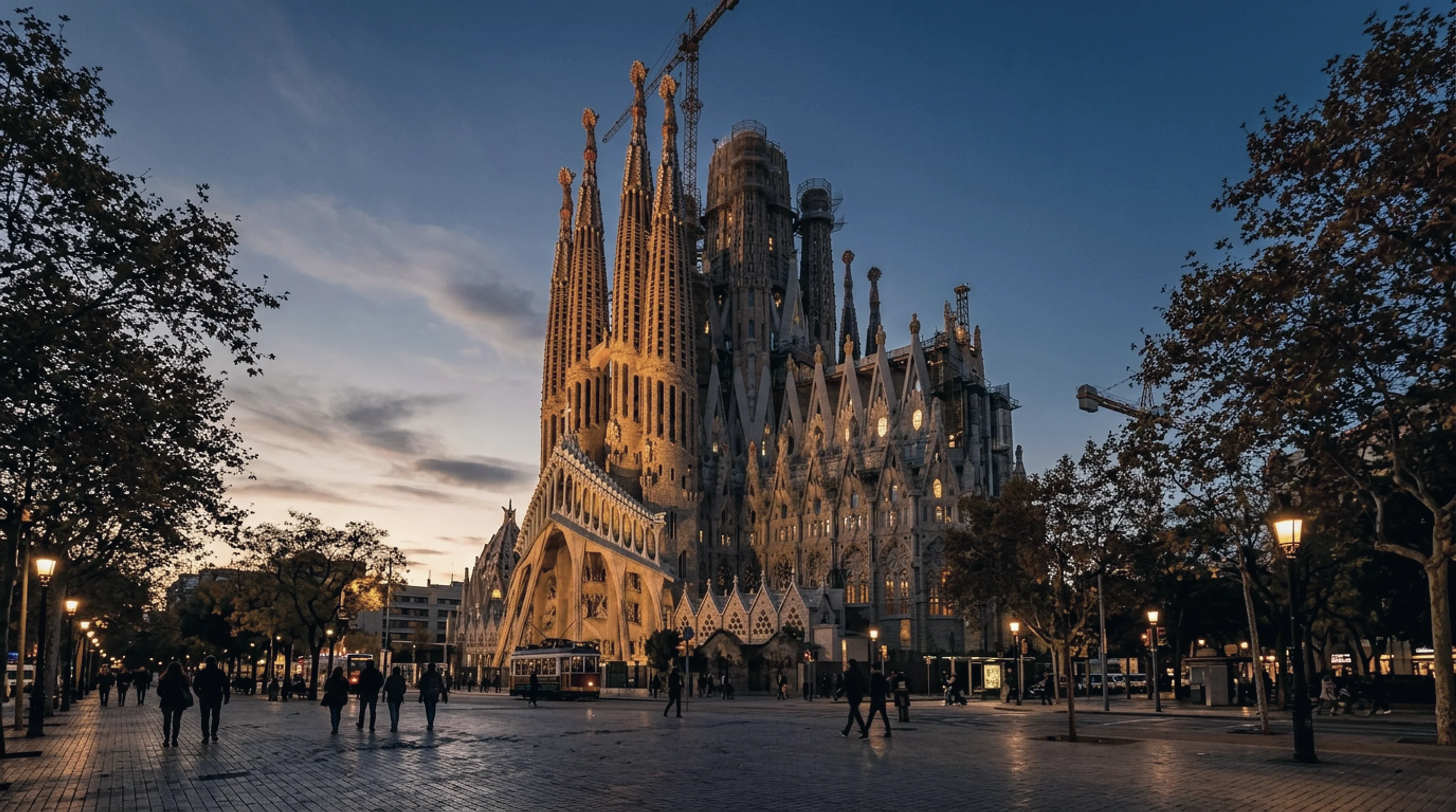
The name privatetourinbarcelona.com can be kept in mind while comparing the practical side of different plans. The stronger choice is usually the one that states its limits plainly, fits the group, and leaves enough room for the city to be enjoyed rather than merely crossed off a list.
Questions that bring clarity
- What is included, and what is only viewed from outside?
- How much walking is involved, and are there steps, slopes, or long pauses?
- Can the route be changed for interests, mobility, weather, or time limits?
- What are the entry arrangements for timed sites and crowded areas?
- What happens if the booking needs to be changed or cancelled?
Good answers should sound specific. Vague reassurance is less useful than a clear route, sensible timing, and honest limits. Once those points are settled, the choice becomes much easier. A private tour works best when it gives the group room to ask questions, linger where it matters, and move on without feeling stranded in a crowd.